Like many people, I started my journey to running a digital business by resarching all of the many ways you can make money online. I was overwhelmed at times by the range of potential routes I discovered I could venture down to realize my goal of having a profitable online business. Most of the information I found during the research phase was coming from blogs – and then it hit me… why don’t I set up a bog?! But, before I did that, I wanted to know: how long does it take to make money blogging?
As you might be realizing, starting a blog with the aim of making money can be an exciting venture. Many new bloggers wonder how long it takes to see financial returns from their efforts.
The time it takes to make money blogging depends on several factors. Your niche, the quality of your content, SEO practices, and your chosen monetization methods all play significant roles. Additionally, building a dedicated audience requires patience and ongoing engagement with your readers.
To increase your chances of earning money faster, focus on producing valuable content and promoting your blog through various channels. Establishing credibility and networking within your niche can also accelerate your journey to profitability. Read on to discover our tips on how you can speed up your path to success with blogging.
Understanding the Blogging Landscape
Tthe blogging landscape continues to transform rapidly, driven by evolving trends and intensified competition. Successful bloggers adapt quickly, leveraging new tools and strategies to stay ahead. Now, let’s explore the key elements shaping blogging right now.
Evolving Trends and Competition
The blogging sphere is seeing significant shifts. Niche blogging has gained prominence as readers seek specialized, in-depth content rather than broad topics. AI-generated content is becoming more common, offering efficiency but also pushing bloggers to produce higher quality, personalized posts to stand out.
Video content and podcasting are supplementing traditional blog posts, catering to audiences who prefer multimedia formats. Interactive elements like quizzes, polls, and live chats are also becoming popular, enhancing reader engagement.
Amidst these trends, the competition is fiercer than ever. More aspiring bloggers are entering the field, increasing the demand for unique, well-researched content. Quality over quantity is the mantra, emphasizing the importance of SEO optimization, consistent posting schedules, and an engaging social media presence.
Success Stories: What We Can Learn
Successful bloggers showcase a blend of strategic thinking and adaptability. They often start with a micro-niche, allowing them to build a loyal audience before expanding to broader topics. Consistently producing high-quality, original content is crucial.
Case studies reveal that bloggers who collaborate with influencers and engage in guest posting on popular platforms see significant growth. Monetization strategies such as affiliate marketing, sponsored posts, and selling digital products like e-books and courses are always effective.
Success stories in the space underscore the importance of networking with other bloggers and actively participating in online communities related to your niche. This not only drives traffic but also fosters a supportive environment for exchanging ideas and strategies.
Setting Up Your Blog
Setting up a blog involves choosing a domain name and theme, followed by creating quality content tailored to your audience. This foundational work is critical to your blog’s success and visibility.
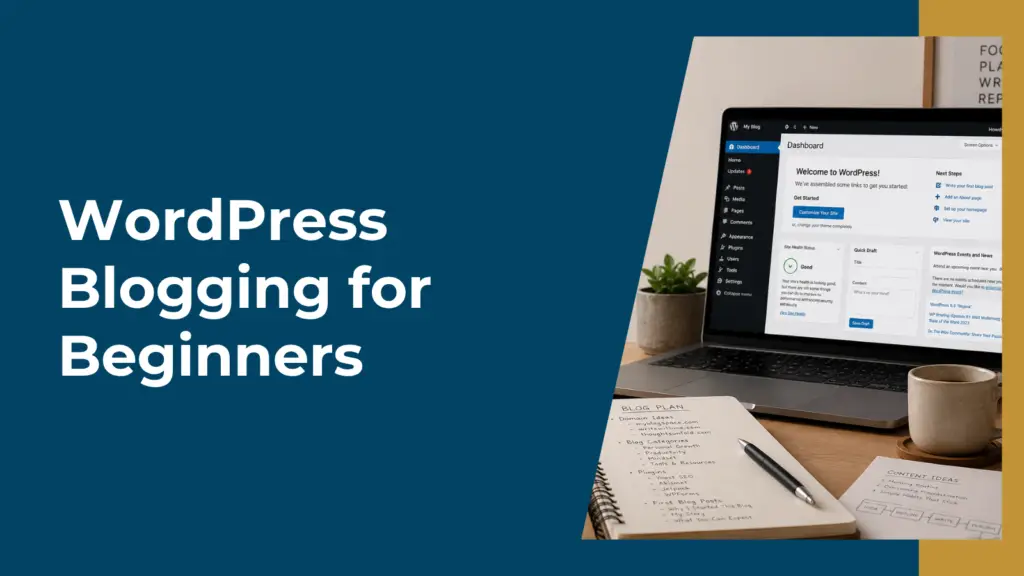
Check out our step by step guide to WordPress Blogging for Beginners for more details on how to do this.
Choosing the Right Domain Name and Theme
Select a domain name that reflects your niche and is easy to remember. A good domain name is short, relevant, and avoids complex spellings. Use tools like Namecheap or GoDaddy to find available domain names quickly.
Once you have a domain, pick a theme that matches your blog’s purpose. A well-designed theme enhances user experience and makes your site visually appealing. Consider customizable and responsive themes from platforms like WordPress.
Ensure the theme supports various devices and loads quickly. User-friendly navigation and clean design can significantly improve your visitors’ experience.
Creating Quality Content for Your Audience
Quality content is what drives traffic to your blog. Write posts that are engaging, informative, and relevant to your niche. Identify your audience’s needs and interests using tools like Google Analytics and surveys.
Create a content calendar to keep your posts regular and timely. Use SEO techniques such as keyword research to help your content rank higher in search engines. Tools like Yoast SEO can assist with this.
Incorporate multimedia elements such as images, videos, and infographics to make your posts more engaging. High-quality content will attract more readers and keep them coming back.
Identifying Your Target Audience
Knowing who your readers are and what they need is crucial for successful blogging. It’s important to find the right audience and create content that speaks directly to their interests and problems.
Conducting Audience Research
Start with demographic information such as age, gender, income, and education level to get a broad sense of your audience. Use tools like Google Analytics and social media insights to gather this data.
Create personas to visualize your target readers. Each persona should represent a segment of your audience, detailing their preferences, challenges, and goals.
Engage with your audience through surveys, polls, and comments. Ask specific questions about their interests and issues they face.
Study your competitors’ blogs to see who engages with their content and identify gaps that you can fill.
Tailoring Content to Audience Needs
Craft blog posts that directly address the questions and problems your audience faces. Use the insights from your research to choose topics that are both relevant and interesting to your readers.
Personalize your tone and style. Some audiences prefer a professional tone, while others respond better to a casual, conversational style.
Utilize SEO strategies to ensure that your content is discoverable by those looking for information relevant to your blog’s focus.
Monitor the performance of your posts and adjust your strategy based on what works. Pay attention to metrics like time on page, social shares, and comments to understand what resonates most with your audience.
Strategies for Growing Blog Traffic
Growing blog traffic requires targeted efforts in visibility and search rankings. Effective use of social media and understanding search engine optimization (SEO) are critical for increasing page views.
Leveraging Social Media for Visibility
Social media platforms can significantly boost your blog’s visibility and traffic. Share your blog posts on popular networks like Facebook, Twitter, Instagram, and LinkedIn. Engaging with your audience through comments, shares, and direct messages can enhance your presence.
Create shareable content that resonates with your target audience. Use hashtags relevant to your niche to reach a broader audience. Collaborate with influencers in your field to tap into their followers.
Run promotional campaigns or contests to encourage followers to visit your blog. Regularly monitor your social media analytics to understand what content drives the most traffic and adjust your strategy accordingly.
Search Engine Optimization Essentials
Optimizing for search engines is crucial for organic traffic. Start with keyword research to identify terms your target audience is searching for. Use these keywords naturally within your posts.
Ensure your blog has high-quality, original content. Google favors content that provides value to readers. Create engaging headlines and include meta descriptions that accurately describe your posts.
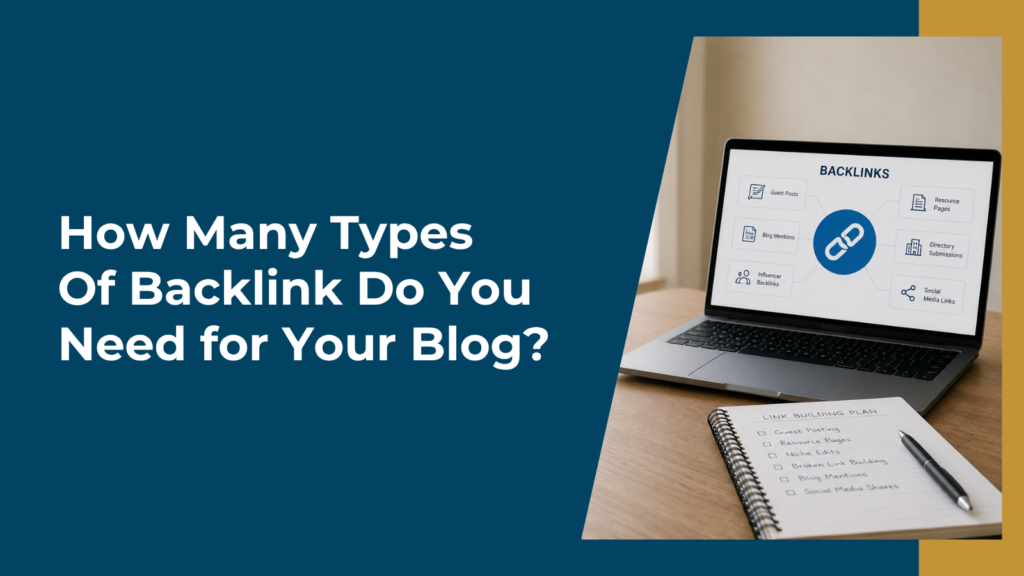
Improve your blog’s loading speed and make sure it is mobile-friendly. Both factors influence search engine rankings. Obtain backlinks from reputable sites to increase your blog’s authority.
Use internal linking to help readers navigate related content on your blog. This practice not only improves SEO but also increases page views by keeping visitors on your site longer.
Monetization Methods Overview
To make money blogging, you’ll need to use various monetization strategies. Key approaches include leveraging advertising, promoting affiliate products, and selling both digital and physical goods.
Advertising and Affiliate Marketing Basics
Advertising is a straightforward method where you earn money by displaying advertisements on your blog. Platforms like Google AdSense make this process simple by matching relevant ads to your content. Ensure your blog has steady traffic to maximize earnings from ad clicks and impressions.
Affiliate marketing involves partnering with companies to promote their products. When your readers purchase through your unique affiliate links, you earn a commission. Focus on choosing relevant products for your audience to maintain trust and increase conversion rates.
Exploring Digital and Physical Products
Digital products can include eBooks, online courses, or software. Creating these products requires an initial investment of time but can provide a continuous revenue stream. They are easily distributable and often have high profit margins since there are no shipping or manufacturing costs.
Physical products, like merchandise or handmade items, can also be sold through your blog. This method involves handling inventory, shipping, and customer service. While it can be more labor-intensive, it allows you to offer tangible goods that may appeal more to certain audiences.
By diversifying your monetization methods, you can create multiple income streams that support your blogging efforts.
How Long Does It Take To Make Money Blogging with Affiliate Marketing?
To make money blogging through affiliate marketing, it’s crucial to understand how to select high-paying affiliate programs and optimize your strategies to earn higher commissions.
Selecting Lucrative Affiliate Programs
Choosing the right affiliate programs is vital. Look for programs that offer competitive commission rates and are relevant to your blog’s niche. Research and compare different programs using affiliate directories and networks such as ShareASale, CJ Affiliate, and Amazon Associates.
Evaluate the product quality and the brand reputation. High-quality products are more likely to convert, increasing your earnings. Check the cookie duration—longer durations provide a better chance of earning a commission if a visitor makes a purchase later.
Establish clear criteria for selection, focusing on program terms, promotional materials provided, and the overall fit for your audience. Joining programs with consistent track records of positive feedback from other affiliates can also be beneficial.
Optimizing for Higher Commission Earnings
Increasing your commission earnings involves several strategies. First, place affiliate links strategically within your content. Contextual placement near relevant sections can drive more clicks. Create engaging content that naturally incorporates affiliate links, such as product reviews, tutorials, and comparison posts.
Use data analytics tools to track which links are performing best. Platforms like Google Analytics can give you insights into your traffic and conversion rates. Experiment with different types of content to see what resonates most with your audience.
Lastly, build trust with your audience. Transparency about your affiliate relationships can improve credibility and lead to higher conversion rates. Promoting products you genuinely believe in can enhance reader trust and, in turn, boost your affiliate commission earnings.
Developing and Selling Digital Products
Selling digital products such as online courses, ebooks, printables, and templates can be a lucrative way to monetize your blog. By creating high-quality, valuable content, you can attract and retain a dedicated audience willing to purchase your offerings.
Creating Engaging Online Courses and Ebooks
Online courses and ebooks are popular digital products you can offer. Focus on your expertise and provide practical, actionable insights that address specific pain points.
Structure your course or ebook into clear, coherent chapters or modules. Quality matters, so invest time in research, writing, and production to make your content comprehensive and engaging.
Utilize platforms like Udemy, Teachable, or self-hosted solutions to distribute your courses. For ebooks, consider selling through Amazon Kindle or direct downloads from your blog.
Design and Sale of Printables and Templates
Printables and templates are another income stream for bloggers. These include planners, checklists, worksheets, and design templates.
Ensure your printables and templates are visually appealing and easy to use. Tools like Adobe Illustrator, Canva, or Microsoft Word can help you design professional products without advanced skills.
Offer these products through an online store like Etsy or integrate a shopping cart directly on your blog to simplify the purchasing process for your audience.
Utilizing Email Marketing
Email marketing is a powerful tool for driving traffic and increasing sales through a blog. It involves building an engaged email list and employing strategic tactics to promote products and content.
Building and Engaging with an Email List
Creating an effective email list begins with attracting the right audience. Use lead magnets such as free eBooks, webinars, or exclusive content to encourage sign-ups. Ensure that your sign-up forms are easily accessible on your blog and other online platforms.
Regularly engaging with your email list is crucial. Send consistent, valuable content to maintain interest. Personalize emails based on subscriber behavior and preferences. Segment your list to send tailored messages that resonate with different groups within your audience. Remember, an engaged email list is more likely to convert into sales.
Email Strategies for Sales and Traffic
To monetize your blog effectively, use strategic email campaigns. Promote your products or affiliate offers through targeted emails. Use compelling subject lines to increase open rates and include clear calls-to-action to drive clicks.
Create automated email sequences for new subscribers to introduce them to your best content and offers. Track metrics like open rates, click-through rates, and conversions to refine your strategies. Additionally, leverage email sequences during sales or product launches to maximize traffic and sales.
Maximizing Revenue Through Sponsored Content
Generating income from your blog can be significantly boosted through strategic sponsored content. Establishing strong relationships with brands and delivering authentic, engaging sponsored posts are key components.
Securing Sponsorships and Partnerships
Start by identifying companies that align with your blog’s niche and audience.
Reach out to these brands with a personalized pitch highlighting your blog’s value. Present your site’s stats, including traffic, audience demographics, and engagement rates, in a professional media kit.
Exploring influencer networks such as AspireIQ or TapInfluence can also connect you with potential sponsors. Consistently engage with your audience across social media to build credibility and attract brand interest.
Lastly, negotiate fair compensation that reflects your influence and effort involved in creating content.
Crafting Authentic Sponsored Posts
Authenticity is crucial in sponsored posts to maintain reader trust. Ensure sponsored content aligns naturally with your regular content and provides value to your audience.
Use a genuine tone and personal anecdotes to make posts relatable. Clearly disclose sponsorships to comply with FTC regulations. Integrate sponsored products or services organically, avoiding overly promotional language.
Balancing promotional intent with informative, engaging content helps maintain credibility and sustains reader interest in both your blog and the promoted brand.
Building Your Brand and Online Presence
Creating a strong brand and leveraging social media effectively are critical steps to making money from your blog. Your brand establishes your blog’s identity, while effective social media strategies will help you reach and engage readers.
Essentials of Blog Branding
Your brand is the essence of your blog. Start with a unique and memorable logo that reflects your blog’s niche and personality. A professionally designed logo can enhance your credibility and foster trust among readers.
Consistent visual and textual elements across all your platforms are essential. Use the same color palette, fonts, and tone of voice to create a cohesive brand identity. This consistency makes your blog easily recognizable.
Craft a compelling about page that tells your story and explains what readers can expect from your blog. Share your values, visions, and the unique angle you bring to your niche. Engaging storytelling can attract loyal readers.
Effective Social Media Strategies
Social media is a powerful tool for driving traffic to your blog. Select the platforms where your target audience is most active. For instance, Instagram and Pinterest are excellent for visual content, while LinkedIn works well for professional topics.
Consistency is key. Regularly post engaging content relevant to your niche. Use a mix of blog links, visuals, and interactive posts like polls to keep your audience interested.
Engagement goes both ways. Respond to comments and messages promptly. Run giveaways or collaborate with other bloggers to expand your reach. Utilize hashtags strategically to make your content discoverable.
Track your social media performance using analytics tools. Understand what types of posts generate the most engagement and adjust your strategies accordingly.
Boosting Revenue with Display Advertising
Display advertising is a significant revenue stream for many bloggers. By leveraging networks like Google Adsense and MediaVine, and optimizing your site’s layout, you can maximize your earnings.
Networks Like Google Adsense and MediaVine
Google Adsense and MediaVine are popular networks for bloggers. Google Adsense is beginner-friendly, allowing you to easily integrate ads into your blog. It offers a pay-per-click model, meaning you earn each time a visitor clicks an ad.
In contrast, MediaVine is more selective but often more lucrative. MediaVine requires higher traffic levels but provides personalized ad placements and better ad rates. AdThrive is another option similar to MediaVine, also requiring significant traffic but delivering high revenue potential.
When choosing between these networks, consider your traffic and the type of ads you want on your site. Each network has different requirements and potential earnings, so match them to your blog’s current state.
Optimizing Layout for Ad Revenue
Maximizing ad revenue isn’t just about choosing the right network; it’s also about where you place ads. Position ads in high-visibility areas like the top of the page or within content to increase click-through rates.
Responsive design is crucial. Ads should fit various screen sizes to improve user experience and ad performance. Use heatmaps to understand where users click most and place ads strategically in these spots.
Less is sometimes more. Too many ads can deter readers and slow down your site. Balance ad quantity with speed and user experience. Test different layouts to find that sweet spot where user engagement and ad revenue are highest.
Leveraging Consulting and Coaching
Offering your expertise in consulting and coaching can quickly become a profitable extension of your blog, as you tap into the demand for personalized advice. You can set up workshops and speaking gigs to further monetize your knowledge.
Offering Your Expertise
Consulting services allow you to offer personalized advice to clients based on your niche expertise. Clients may need detailed strategies, problem-solving sessions, or specialized knowledge.
You can charge by the hour, by the project, or through a retainer model. Detailed case studies, testimonials, and client success stories can bolster your credibility, attracting more customers.
It’s crucial to clearly define your services and pricing on your blog so potential clients understand what you offer and the value it provides.
Setting Up Workshops and Speaking Gigs
Workshops are a powerful way to teach multiple people simultaneously while showcasing your knowledge. Organize them online or in-person, depending on your audience’s preference.
Promote your workshops through your blog, social media channels, and email list to ensure wide visibility. Interactive sessions, Q&A segments, and live demonstrations can make workshops more engaging.
Speaking gigs at industry events, conferences, or webinars can also elevate your profile. Build relationships with event organizers to secure speaking opportunities and collect recordings to share on your blog and portfolio.
Alternative Monetization Strategies
Exploring various monetization options can significantly boost your blogging revenue. Offering specialized services or venturing into development can provide steady income streams.
Freelance Writing and Photography Services
Offering freelance writing and photography services can be a lucrative way to monetize your skills. By showcasing your expertise on your blog, you attract potential clients who require quality content for their own platforms.
You can create a portfolio highlighting your best work and set competitive rates. Platforms like Upwork and Fiverr can help you find clients. Forming relationships with these clients often results in ongoing projects, creating consistency in income.
Photographers can sell their photos to stock photo sites such as Shutterstock and Adobe Stock. Offering custom photo shoots or photo editing services can also diversify your income. Building a solid client base takes time, but with persistence and quality work, it becomes a sustainable income source.
Venturing into Software and App Development
If you have a background in software or are willing to learn, developing apps can be a profitable avenue. Bloggers can create tools that supplement their content, like an app to track blog metrics or a unique plugin for other bloggers.
You might start by identifying a common problem within your niche that can be solved with a software application. Developing and selling software on platforms like Google Play or the Apple App Store introduces a new revenue stream.
Collaborating with experienced developers or utilizing app development platforms can streamline the creation process. Whether it’s a simple utility app or a complex software solution, offering something valuable to your audience can lead to significant profits.
Choosing a Profitable Blog Niche
Choosing a profitable blog niche involves identifying areas with strong market demand and evaluating their potential for generating income. This process requires careful research and strategic planning.
Researching Market Demand and Competition
Start by exploring various niches to determine their market demand. Utilize tools like Google Trends, Keyword Planner, and popular forums to gauge interest levels. High search volumes often indicate substantial interest.
Look into competition in your chosen area. Examine top blogs in the niche, assess their content quality, engagement rates, and monetization strategies. Low competition might suggest a smaller market, while high competition indicates a lucrative potential but necessitates a robust strategy for standing out.
Evaluating Niche Profit Potential
Assess the profit potential by investigating monetization options. Popular methods include affiliate marketing, sponsored content, selling products or services, and display advertising. Determine if advertisers are willing to invest in your niche.
Review success stories of existing blogs in your niche to understand possible revenue streams. Analyze how they earn money and their growth trajectory. Choosing a niche with diverse income opportunities is key to sustaining long-term profitability.
Creating a Content Strategy
Developing a content strategy is essential for ensuring consistent, high-quality blog posts that engage your audience and support your monetization goals. You’ll need to balance the need for regular posting with the importance of maintaining quality in every article you publish.
Editorial Calendars and Consistency
An editorial calendar helps you plan and organize your content creation. It provides a structured timeline for when and what you will publish. By scheduling topics in advance, you can prepare timely, relevant content.
Consistency in publishing helps build audience expectations. A regular posting schedule increases reader loyalty and trust. Use automation tools like Google Calendar or Trello to track your timeline and deadlines. Create recurring tasks for brainstorming new ideas and updating old articles.
Sticking to a schedule does not mean sacrificing flexibility. Adapt to trending topics or spontaneous ideas without derailing your main plan. Consistency combined with timely, relevant posts strengthens your blog’s presence.
Quality vs. Quantity: Finding the Balance
Striking the right balance between quality and quantity is critical. High-quality content attracts readers and keeps them engaged. Poor content can deter readers, negatively affecting your blog’s reputation.
Prioritize quality by conducting thorough research, providing unique insights, and ensuring your articles are well-written and error-free. Invest time in writing guides and how-tos that offer real value.
However, posting too infrequently can lead to dwindling interest. Identify a manageable publishing frequency that allows you to maintain content standards. A mix of long-form articles and shorter, more frequent posts might work well.
Track your blog’s performance using analytics to adjust your strategy. Focus on what resonates most with your audience, balancing informative guides with lighter, engaging posts.
Implementing Effective SEO Tactics
Optimizing your blog for search engines involves both careful keyword research and staying up-to-date with Google’s algorithm changes. These are critical steps for driving organic traffic and improving your blog’s visibility on search engine results pages (SERPs).
Keyword Research and Optimization
Begin by identifying keywords relevant to your niche. Use tools like Google Keyword Planner, Ahrefs, or SEMrush to discover keywords with a high search volume and low competition.
Incorporate these keywords naturally into your blog posts. Focus on including them in the title, headings, and throughout the content without keyword stuffing. Write with user intent in mind, ensuring you address real questions or problems that the reader may have.
Use long-tail keywords as well. They tend to have lower competition and can drive highly targeted traffic. For example, “best vegan recipes for beginners” is more specific and likely more effective than a broad keyword like “recipes.”
Monitor your keyword performance regularly and adjust your strategy based on which terms bring the most valuable traffic to your blog.
Understanding Google’s Algorithm Updates
Google frequently updates its algorithms which can significantly impact your blog’s rankings. Stay informed about these changes through reliable sources like Moz’s Google Algorithm Update History or the Google Search Central Blog.
When an update occurs, review your blog’s performance metrics in Google Analytics and Google Search Console to see any immediate impacts. Key metrics to monitor include organic traffic, bounce rate, and average session duration.
Adapting quickly to algorithm changes is crucial. If there’s a drop in your rankings, re-evaluate your content for quality and relevance. Ensure your blog provides a good user experience with fast load times, mobile-friendly design, and valuable content.
Focus on E-A-T: Expertise, Authoritativeness, Trustworthiness. High-quality content written by knowledgeable authors can help build authority and trustworthiness, enhancing your blog’s ranking potential.
Enhancing User Experience on Your Blog
Improving user experience can significantly impact the success of your blog by ensuring that visitors engage more and stay longer. This involves optimizing your blog’s design, functionality, speed, and mobile usability.
Design and Functionality Best Practices
A user-friendly design makes navigation intuitive and enjoyable. Choose a clean layout that eliminates clutter and emphasizes readability. Consistent fonts across headers, subheaders, and body text enhance readability. Use a template that aligns with your blog’s theme and brand.
Ensure that your navigation menu is simple and logical. Categories and tags should be easy to understand and access. Incorporate clear call-to-action buttons that guide users to subscribe, read more, or contact you.
Pay attention to color schemes and contrast to make sure text is legible. Avoid overly complex designs that can distract or confuse visitors.
Site Speed and Mobile Optimization
Site speed plays a crucial role in retaining users. Compress images and use lazy loading techniques to improve load times. Implement caching to reduce server response times.
Mobile optimization is equally essential. Ensure your website uses a responsive design that adjusts to various screen sizes. Test your blog on multiple devices to guarantee a seamless experience.
Use accelerated mobile pages (AMP) to enhance performance on mobile devices. Avoid elements that don’t work well on smaller screens, like large images or flash content. Prioritize a smooth, fast, and accessible experience for all users.
Analyzing Blog Performance
Tracking your blog’s performance is crucial to understanding its growth and making informed decisions to improve your income. By using analytics tools effectively, you can gain insights into pageviews, user behavior, and overall blog income trends.
Using Analytics to Track Growth
Utilize analytics tools like Google Analytics to monitor your blog’s growth. Key metrics to focus on include average pageviews, session duration, and bounce rate. Consistent tracking of these numbers will help you identify patterns and potential areas for improvement.
Create custom dashboards to easily view real-time data. Set goals within the analytics tool to measure specific actions such as email sign-ups or product purchases. This approach allows you to see which content or strategies are driving the most engagement and revenue.
Establish benchmarks to compare your current performance with past data. Regularly reviewing this information will enable you to detect trends and make necessary adjustments to your blogging strategy. Heatmaps can also be useful to see where users click the most on your pages.
Interpreting Data to Inform Decisions
Analyze the collected data to inform your future blogging efforts. If your average pageviews are increasing, it may indicate that your content strategy is effective. Conversely, a high bounce rate might suggest the need for improved content or website design.
Use demographic information to tailor content to your audience’s interests and behaviors. Look at which topics generate the most pageviews and create more content around those themes. Analyze time-of-day and days-of-week data to schedule posts when your audience is most active.
Leverage A/B testing to experiment with different headlines, images, and post formats. Track the performance of each variant to determine which elements resonate best with your audience. Use this feedback to refine your content strategy and optimize blog performance for better income potential.
Scaling Your Blog into a Full-Time Business
Transitioning your blog from a side hustle to a full-time business involves clear goal-setting, consistent effort, and strategic planning. This section covers essential steps to convert your blogging efforts into a sustainable and profitable venture.
From Side Hustle to Full-time Income
Converting your blog into a reliable source of full-time income requires several strategic steps. Start by diversifying income streams through advertising, sponsored posts, affiliate marketing, and selling products or services. Using multiple sources helps stabilize your revenue.
Invest in tools and resources, such as SEO software, email marketing services, and professional design, to enhance your blog’s quality and reach. Networking with other full-time bloggers can also provide valuable insights and opportunities for collaboration.
Monetizing effectively takes time. Keep producing high-quality content on a regular schedule. Focus on identifying your niche audience and catering to their needs and interests. This targeted approach builds loyalty and increases site traffic.
Setting Realistic Expectations and Goals
Setting achievable goals is critical to scaling your blog. Identify short-term and long-term milestones. For example, aim for specific monthly traffic targets or revenue benchmarks. Realistic expectations prevent burnout and help you celebrate progress.
Time management is essential. Allocate specific hours for content creation, marketing, and networking. Consistency and discipline are key. Consider creating a detailed editorial calendar to stay organized and ensure regular content updates.
Keep track of your progress with analytics tools. Understand what’s working and what isn’t. Adapt strategies based on performance data. Stay patient and flexible, adjusting your goals as you gain more experience and insights.
Final Thoughts: Focus on Progress, Not the Countdown
So, how long does it take to make money blogging?
There isn’t a single timeline that applies to everyone.
Some blogs generate their first income relatively quickly. Others take many months — or longer — before they gain enough traffic, trust and momentum to produce meaningful results.
That uncertainty can be frustrating, particularly when you’re putting time into something without knowing exactly when it will pay off.
But constantly asking whether you’ve been blogging for long enough can distract you from a more useful question:
Is what I’m doing giving my blog a better chance of succeeding?
That means creating genuinely useful content for a clearly defined audience. Learning what people are searching for. Building relevant traffic. Choosing sensible ways to monetise that attention. And improving your approach as you discover what works.
You don’t need to publish every day or spend every spare hour working on your blog.
If you’re building alongside a career, family responsibilities or other commitments, a sustainable publishing schedule you can maintain is likely to serve you better than an ambitious schedule that leaves you exhausted or causes you to give up.
It also helps to recognise the progress that happens before meaningful income appears.
Your first search impressions. Your first organic visitors. Your first email subscriber. Your first affiliate click. Your first commission.
Each is evidence that another part of the system is beginning to work.
Blogging takes time because you’re building more than a collection of articles. You’re gradually creating a library of useful content, an audience, authority within your subject and assets that can continue attracting people long after you publish them.
So give your blog time — but don’t simply wait.
Keep creating useful content. Watch what gains traction. Learn from the results. Improve what isn’t working and build on what is.
You can’t control exactly how long it will take to make money blogging.
You can control whether the work you’re doing today makes that outcome more likely.

Jonathan Lamb
Founder, Digital Wealth Lifestyle