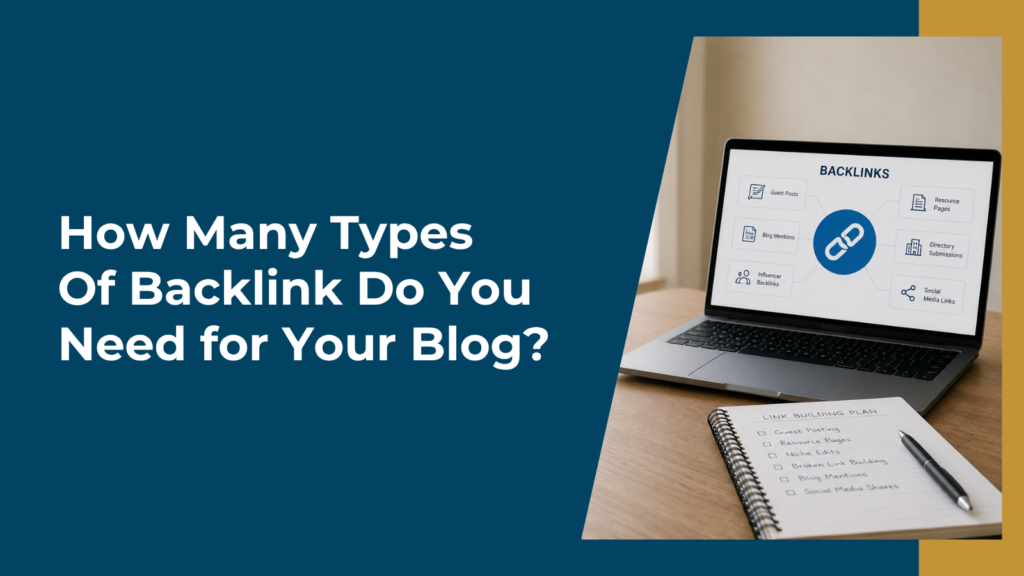
Building a successful blog requires more than great content; you need to understand how backlinks play a key role in driving traffic. For a blog to perform well in SEO and gain visibility on Google, having a diverse range of backlinks is essential. The more quality backlinks you have, the greater your chances of ranking higher in organic search results.
You might wonder how many types of backlink you really need. The answer varies based on your niche, competition, and the quality of the links. Generally, aiming for at least 10 to 15 high-quality backlinks per month can help improve your blog’s authority and attract more visitors over time.
In this article, we will explore the different types of backlinks you should focus on, what makes them valuable, and tips for effectively building these links. Understanding this will empower you to enhance your blog’s visibility and attract more organic traffic.
Understanding the Basics of Backlinks
Backlinks play a crucial role in how your blog is viewed by search engines. They help establish credibility and can significantly impact your organic search ranking. Understanding what backlinks are and how they function in SEO is essential for driving traffic to your blog.
Definition and Importance
Backlinks are links from other websites that direct users to your blog. Each time another site links to yours, it acts like a vote of confidence. Search engines like Google consider these votes when deciding how to rank your site in search results.
The quality and relevance of these links matter. High-quality backlinks can boost your authority, while low-quality links can harm it. This is why focusing on obtaining strong backlinks is important for your site’s success. A diverse range of backlinks from reputable sites can improve your visibility online.
The Role of Backlinks in SEO
In the world of SEO, backlinks help search engines understand the value of your content. They are a key factor in search engine ranking algorithms. When your blog has more quality backlinks, it is likely to perform better in organic search results.
Backlinks can also bring referral traffic, which is users who click a link on another site and visit yours. This kind of traffic is valuable because it often leads to higher engagement since these users are interested in your content. To improve your search engine ranking, aim to build a mix of internal and external backlinks. This strategy will enhance your site’s performance and reach.
Types of Backlinks Crucial for Your Blog
Backlinks are vital for improving your blog’s visibility. Different types serve unique purposes, enhancing authority and attracting traffic. Here are key backlink types you should focus on.
Editorial Backlinks
Editorial backlinks are links given naturally by other websites. These links often appear in relevant content where your blog adds value. For example, if a popular website references your blog as a top resource, that counts as an editorial backlink.
To earn these, create high-quality content that others want to cite. Research current trends and niche topics that interest your audience. Promoting original ideas can also encourage links.
Using social media effectively can help share your content widely. Collaborating with influencers or experts can lead to more editorial links. Remember, the goal is to provide insights that others find useful enough to reference.
Guest Blogging Backlinks
Guest blogging backlinks come from writing articles for other blogs. When you contribute to a relevant blog, you can include links back to your blog. This benefits both you and the host blog.
You should select reputable blogs in your niche. Focus on writing engaging content that fits their audience. While you share your expertise, don’t forget to naturally integrate links to your blog.
A good guest post builds relationships, extending your reach. Consistency in guest blogging helps establish your reputation. As people read your posts, they’ll be more likely to visit your blog for more information.
Badge Backlinks
Badge backlinks are awarded when other sites use a badge or a certification from your blog. Creating a visually appealing badge can encourage others to display it on their site, linking back to you.
To attract badge backlinks, consider offering awards or recognitions within your industry. Ensure your badge is easy to use and visually appealing. Promote it through your network to increase its visibility.
These backlinks can build authority. They show that others view your blog as a credible source. Make sure to monitor the use of your badge to assess its impact and improve your offerings.
Forum Backlinks
Forum backlinks arise from participating in online discussions. Engaging in forums related to your niche allows you to answer questions and share your expertise. Always include a link to your blog in your signature or during relevant conversations.
Select active forums where your target audience participates. Share valuable insights and tips, showing your knowledge. This can encourage forum members to visit your blog for more detailed information.
Avoid spamming links, as this can harm your reputation. Focus on building a community by providing trustworthy advice. A strong presence in forums can lead to increased traffic and higher authority for your blog.
Evaluating Backlink Quality
Evaluating the quality of backlinks is crucial for enhancing your blog’s search engine rankings. Key factors include domain authority, relevance, and the strategic placement of links. Understanding these aspects will help you identify which backlinks can benefit your site the most.
Domain Authority and PageRank
Domain authority (DA) measures the trustworthiness of a website. It ranges from 1 to 100, with higher scores indicating a more reliable source. Websites with a DA of 40 and above are generally considered good candidates for backlinks.
PageRank is another factor to consider. It assesses the importance of a page based on the quality and quantity of links pointing to it. A high PageRank means the page is likely to have a significant impact on your own site’s SEO. Aim for backlinks from sites with both strong DA and PageRank for better SEO results.
Relevance and Placement
Relevance is vital when selecting backlinks. Links from websites within the same niche or industry can drive targeted traffic to your blog. For example, if your blog is about fitness, a link from a health-related site is more beneficial than one from an unrelated source.
Placement of the link matters too. A link within the main content is more valuable than one in the footer or sidebar. This is because links in the content are seen as endorsements of the information provided, enhancing credibility and visibility.
Anchor Text and Destination URL
Anchor text is the clickable text in a hyperlink. Using relevant keywords as anchor text can improve your blog’s ranking for those terms. For instance, if your blog discusses “healthy recipes,” using that phrase as the anchor text makes it clear to search engines what the linked page is about.
The destination URL should also direct users to high-quality content that matches the anchor text. This alignment ensures that visitors find useful information, enhancing user experience and encouraging them to stay longer on your site. High-quality backlinks with optimized anchor text can significantly boost your blog’s authority and presence in search engines.
The Significance of Anchor Texts in Links
Anchor text plays a crucial role in how search engines interpret your links. Properly optimized anchor texts can improve your SEO ranking and clarify the content of linked pages. Understanding how to use anchor text effectively is key to building a strong linking strategy.
Optimizing Anchor Text for SEO
To enhance your blog’s SEO, focus on using keyword-rich anchor text. This type includes relevant keywords that accurately describe the linked content. For instance, if you link to an article about best SEO practices, using anchor text like “best SEO strategies” helps search engines understand your page better.
It’s important to keep anchor texts varied. Instead of repeating the same phrases, mix it up with branded links, general phrases, and exact match texts. This diversity signals to Google that your links are natural and relevant.
Avoiding Over-Optimization
While it’s essential to use keyword-rich anchor text, be cautious about over-optimization. This happens when you use the same keywords too frequently across links. Search engines might see this as spammy behavior, which can hurt your rankings.
Aim for a balanced anchor text ratio. Ideally, keep exact match texts to about 20% of your overall anchor text. The rest should include variations, branded terms, and generic phrases. Maintaining this balance will enhance your site’s credibility and appeal to both users and search engines.
How Search Engines Evaluate Backlinks
Understanding how search engines assess backlinks is crucial for improving your blog’s visibility. Backlinks play a significant role in ranking algorithms that determine your site’s placement on search engine results pages (SERPs). This evaluation hinges on various factors, such as the quality and relevance of the links pointing to your site.
Search Engine Algorithms
Search engine algorithms are complex systems designed to rank web pages based on multiple signals. Backlinks are key ranking signals because they indicate a site’s authority and trustworthiness.
When a site links to your blog, it acts as a vote of confidence. Search engines look at both the quantity and quality of these votes. For example, links from high-authority sites carry more weight than links from low-quality or spammy sites.
Not all backlinks have equal value. Search engines prioritize backlinks from relevant, reputable sources. This focus on quality helps ensure that users receive useful and trustworthy information.
Google’s Evaluation of Link Quality
Google uses various criteria to evaluate link quality. One major factor is the trustworthiness of the linking site. If the source is well-regarded in its field, the link boosts your blog’s credibility.
Another important aspect is relevance. A backlink from a site related to your blog’s topic is more valuable than one from an unrelated source. Google also analyzes the anchor text used, as descriptive text helps gauge the content of your page.
Link diversity matters too. A mix of dofollow and nofollow links can create a natural backlink profile. Finally, the link’s position on the page and its context can influence its effectiveness. A backlink embedded in engaging content is often more beneficial than one placed in a sidebar.
Building a Healthy Backlink Profile
Creating a strong backlink profile is essential for improving your blog’s visibility. You need to focus on diversifying your link sources while ensuring the integrity of those backlinks.
Diversifying Link Sources
To build a healthy backlink profile, it’s important to obtain links from unique domains. This means you should aim for backlinks from various websites instead of multiple links from the same domain. Using a mix of sources can enhance your credibility.
Consider incorporating different types of backlinks, including:
- Dofollow Backlinks: These pass on link equity and help improve your site’s authority.
- Nofollow Links: While they don’t contribute directly to SEO, they can still bring referral traffic and promote brand awareness.
Aim for a balance between these link types to ensure a natural backlink profile. Without variety, search engines might flag your profile as spammy.
Maintaining Backlink Integrity
Quality is just as important as quantity in your backlink efforts. You should focus on acquiring quality backlinks from reputable sites. Backlinks from high-authority domains can significantly boost your blog’s credibility.
Regularly audit your backlinks to ensure they align with your quality standards. If you find any low-quality or spammy links, consider using tools to disavow them. This helps protect your blog’s reputation.
Avoid engaging in shady practices like buying links or participating in link farms. Not only can these harm your backlink profile, but they can also lead to penalties from search engines.
Strategies for Acquiring High-Quality Backlinks
Acquiring high-quality backlinks is essential for improving your blog’s SEO and visibility. By focusing on a few effective strategies, you can attract valuable links that enhance your online presence and drive more traffic.
Content Marketing and Digital PR
Creating high-quality content is a powerful way to earn backlinks. When you publish engaging articles, infographics, or videos, other websites may link to your work as a reference. Focus on topics that are relevant to your niche and offer unique insights. Use digital PR to promote your content. Reach out to journalists and bloggers in your field, sharing your resource. Tools like Semrush can help you find influencers who might be interested in your content.
When your content gets coverage, it can lead to multiple backlinks. Always monitor your results using tools such as Google Search Console, which provides insights about who is linking to you and which content is performing well.
Guest Blogging and Outreach
Guest blogging allows you to write for other websites in your niche. This strategy not only helps you build relationships but also provides an opportunity to include backlinks to your blog. Research reputable sites that accept guest posts, and pitch ideas that align with their audience. Ensure your posts are well-written and provide value to their readers.
When submitting your articles, include a link to your blog in your author bio. This can drive traffic and enhance your site’s authority. Outreach is crucial; personalize your messages when contacting site owners and demonstrate how your content can benefit their audience.
Leveraging SEO Tools and Analytics
Using SEO tools is essential for finding high-quality backlink opportunities. Rank Math offers features that let you analyze competitor backlinks. You can identify sites linking to them and approach those sites with your content.
Keeping track of your backlinks is also important. Use Google Search Console to monitor your link profile. This helps you understand which strategies work and what you may need to adjust. Consistently analyzing your data ensures you focus on acquiring valuable backlinks that contribute to your blog’s growth and success.
The Impact of Backlinks on Domain Rating and Authority
Backlinks play a crucial role in determining your blog’s domain rating and authority. Understanding their influence can help you boost your site’s credibility and visibility in search engine results.
How Backlinks Influence Domain Metrics
Backlinks are links from other websites to your blog. When you receive backlinks from high-authority sites, it can significantly enhance your domain authority. This is because search engines view these links as votes of confidence.
Key Factors of Backlink Influence:
- Quality Over Quantity: A few high-quality backlinks can improve your metrics more than numerous low-quality ones.
- Relevance: Links from sites in similar niches are often more valuable.
- Diversity: A variety of backlinks from different domains can signal to search engines that your site is credible.
Higher domain rating can lead to better rankings in search engines, making backlinks essential for growth.
Improving Website Discoverability
Having solid backlinks can greatly improve the discoverability of your blog. When users click on links that point to your site, it can increase your referral traffic.
Ways Backlinks Enhance Discoverability:
- Increased Traffic: More backlinks can lead to higher click-through rates from other sites.
- Search Engine Ranking: Search engines tend to rank sites with more authoritative backlinks higher.
- Brand Exposure: Quality backlinks from well-known sites help increase your brand’s visibility.
This means that focusing on quality backlinks can not only boost your domain authority but also make it easier for potential readers to find your content online.
Mitigating the Risks of Link Spam and PBNs
Managing backlinks requires careful attention to prevent the harm that can come from link spam and private blog networks (PBNs). By identifying toxic backlinks and understanding the consequences of unethical link building, you can protect your blog’s reputation and rankings.
Identifying and Handling Toxic Backlinks
To keep your blog healthy, you need to regularly perform backlink analysis. Start by checking the quality of your backlinks. Look for signs of link spam, such as links from irrelevant or low-quality sites. You can use tools like Google Search Console to monitor your backlinks.
If you find toxic links, take action to remove them. Contact the site owner to request removal or use the disavow tool in Google Search Console. This tool helps inform Google not to consider those links when ranking your site. Regular audits can help you stay ahead of potential penalties.
Consequences of Unethical Link Building
Engaging in unethical link building can have serious repercussions for your blog. Using PBN backlinks is risky because these links are often seen as attempts to manipulate search rankings. If Google detects this, your site can suffer penalties, harming your visibility.
Losing rankings can lead to reduced traffic and lower credibility. Additionally, your efforts to build a reputable site could be undermined. Links gained through spammy practices do not provide lasting value and can damage your brand’s reputation. Prioritize ethical link building to ensure long-term success.
Future Trends in Backlinks and SEO
As the digital landscape evolves, backlinks play a crucial role in your blog’s success. Understanding the changing trends can help you adapt your strategies to remain competitive in search engine rankings.
The Evolution of Google Rankings
Google’s ranking system has become more sophisticated. In recent years, factors such as E-E-A-T (Experience, Expertise, Authoritativeness, and Trustworthiness) are vital. High-quality backlinks are now essential to showcase these qualities.
- Focusing on topical authority is critical. This means covering a subject thoroughly rather than just gathering links.
- Consider the source quality over quantity. Backlinks from reputable sites carry more weight than numerous links from lesser-known pages.
Your blog’s credibility is increasingly tied to the types of backlinks you receive. As Google’s algorithms become more intelligent, adapting to these shifts is necessary for better rankings.
Adapting to New SEO Strategies
To thrive in the changing SEO environment, you need to adjust your backlink strategy. The rise of AI-generated content challenges the traditional link-building approach. Search engines are starting to recognize which links come from genuine, high-quality content versus automated sources.
- It’s essential to build relationships with authoritative websites for guest posts or collaborations.
- Diversifying your backlink profile is also important. Incorporate different types of links, such as referral traffic from social media or niche forums.
Embracing these trends will help you create a robust backlink strategy for your blog. Stay informed, prioritize quality connections, and adapt to the new SEO landscape to enhance your visibility.
Final Thoughts: Focus on Backlink Quality, Not Just Quantity
When you’re learning about backlinks, it’s easy to become preoccupied with how many you need, which types you should build and whether your competitors have more than you.
But backlinks aren’t simply a numbers game.
A smaller number of relevant, credible links from websites that make sense for your subject can be far more valuable than accumulating large numbers of low-quality links simply because they’re easy to obtain.
That’s why your starting point should be the content itself.
Create genuinely useful resources that answer important questions, explain subjects clearly or provide something worth referencing. Then look for sensible opportunities to make that content visible to relevant websites, publishers and audiences.
Some links may come naturally as your content becomes established. Others may result from outreach, relationships, guest contributions or having a genuinely useful resource that another website wants to reference.
What you don’t need is a complicated checklist requiring you to acquire every possible type of backlink.
You also don’t need to treat link building as a race.
If you’re building your blog alongside a career, family responsibilities or other commitments, focus your limited time on activities that strengthen the site over the long term: useful content, good internal linking, sound SEO fundamentals and relevant backlinks from sources worth having.
Over time, that creates something much more valuable than an impressive-looking backlink count.
It builds authority.
So instead of asking only “How many backlinks does my blog need?”, consider asking:
“Why would a good website want to link to this?”
If you keep creating better answers to that question, you’re likely to be building backlinks for the right reasons.

Jonathan Lamb
Founder, Digital Wealth Lifestyle