
‘The Millionaire Next Door’ Review
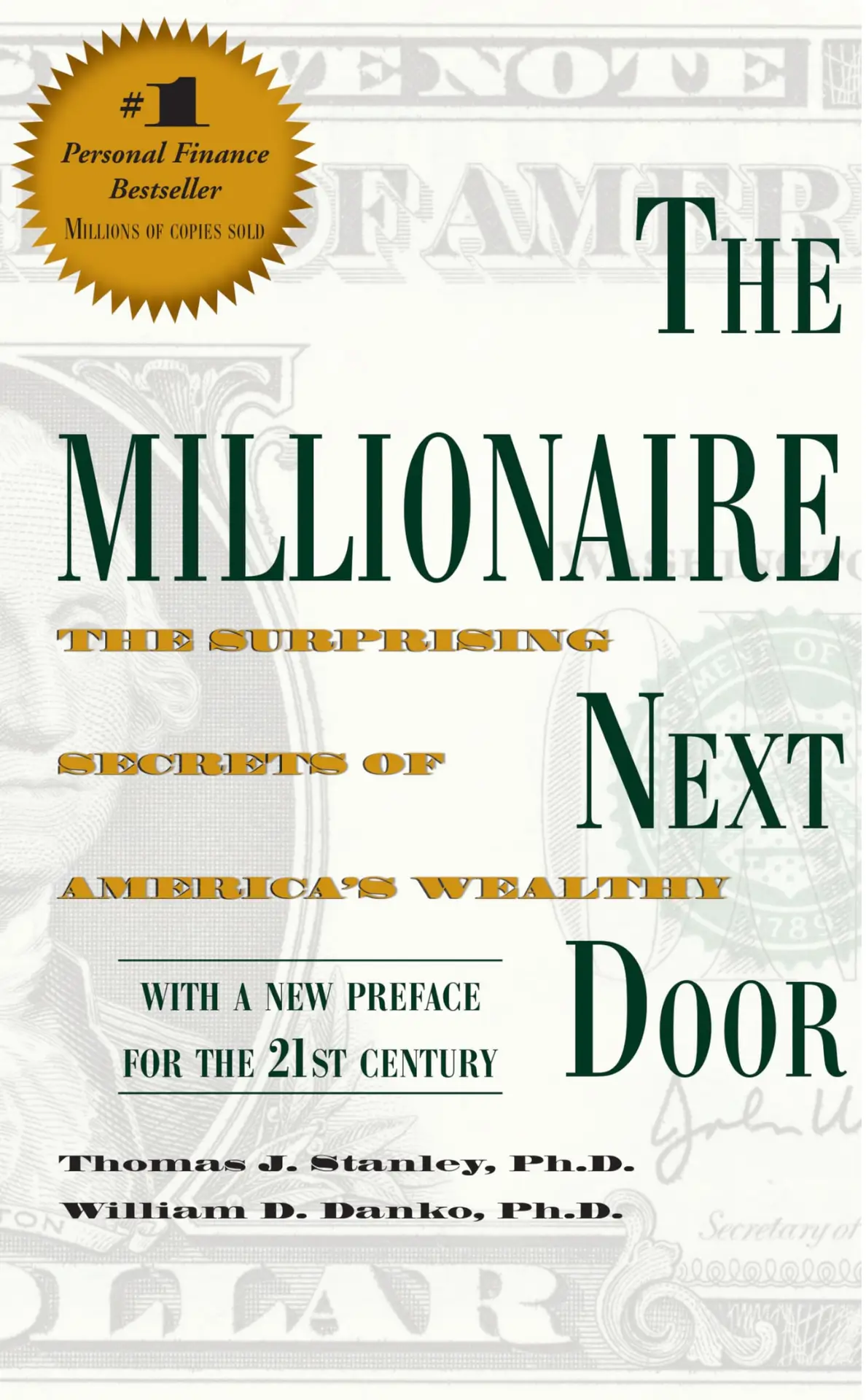
In “The Millionaire Next Door,” Thomas J. Stanley and William D. Danko reveal the surprising habits and traits of America’s wealthy individuals, challenging common stereotypes about millionaires. Through insightful research and engaging anecdotes, the authors highlight the importance of frugality, disciplined saving, and smart investing as key attributes of financial success. This eye-opening book encourages readers to adopt a mindset focused on wealth accumulation through practical, everyday choices rather than flashy lifestyles.

Exploring how people accumulate wealth has always fascinated me, and “The Millionaire Next Door” genuinely exceeded my expectations. This book breaks down the habits and behaviors of millionaires, offering a fresh perspective on what it really means to be wealthy.
What I appreciated most is the emphasis on frugality and financial discipline. The anecdotes and data presented made it easy to understand that wealth isn’t about flashy cars or oversized mansions. Instead, it’s about prudent habits and sensible financial decisions.
Bottom Line
If you’re seeking a straightforward guide to financial success based on real-world examples, this book is a must-read.
Its insights are both practical and motivational.
Don’t miss out on this valuable resource. Click here to purchase “The Millionaire Next Door” and start your journey towards smarter financial habits today!
Overview of The Millionaire Next Door: The Surprising Secrets of America’s Wealthy
I recently read the book and found it packed with eye-opening insights about the habits and behaviors of America’s wealthy. Unlike the image often portrayed in media, the wealthy tend to be frugal and diligent savers. They prioritize financial independence over flashy displays of wealth.
One thing that struck me was how the authors emphasize living below your means. They interviewed numerous millionaires and discovered that many drive used cars, live in modest homes, and avoid extravagant lifestyles.
On the downside, the book can feel repetitive at times. Some readers might find the writing style a bit dry, but the content is valuable. It’s a strong read for anyone looking to change their financial habits and gain a deeper understanding of what it truly means to be wealthy.
In-Depth Financial Strategies
Exploring the strategies in this book opened my eyes to practical, actionable steps for building and managing wealth. Many of these techniques, such as prioritizing savings and minimizing unnecessary expenses, felt not only simple but also deeply effective.
One aspect that stood out was the focus on frugality, which isn’t about deprivation but making smart choices. There’s a lot to learn from how millionaires accumulate and preserve their wealth, such as investing in appreciating assets and living well below their means.
There are downsides too; some content may feel a bit outdated, especially for non-American readers. Yet, the fundamental principles remain relevant. This clarity and straightforward guidance make it a valuable read for anyone serious about financial independence.
Whether you’re a seasoned saver or just getting started, these strategies offer a solid foundation for financial success.
Real-World Millionaire Profiles
Exploring the profiles of real-world millionaires in The Millionaire Next Door provides a unique insight into the practical steps towards financial success. From savers who prioritize frugality to investors adept at growing their wealth, the book sheds light on diverse strategies.
One aspect that stood out was the commonality of simple lifestyles. The millionaires profiled are often conservative with their spending, yet they make calculated investments.
The anecdotes, while insightful, sometimes focus heavily on North American experiences, which may feel less relatable for other audiences.
On the positive side, the mix of real-life examples and statistical data offers a balanced perspective. Conversely, the heavy American context and some dated references can limit its broader applicability.
For those seeking practical advice backed by real examples, this book offers valuable takeaways despite its geographical focus.
Wealth Accumulation Insights
I appreciated the practical advice on wealth-building strategies. The book’s emphasis on frugality and disciplined savings was eye-opening. It highlighted the surprising ways millionaires manage to accumulate and retain wealth by avoiding wasteful spending.
Some insights seemed very U.S.-centric, which might not entirely resonate with a non-American audience. However, the core principles of living below one’s means and investing wisely are universal, making the lessons broadly applicable.
A notable takeaway was the importance of financial independence over high income. High earners are not necessarily the wealthiest; rather, those who stick to a budget and make prudent financial choices tend to thrive.
While reading, I found the real-life examples of millionaire habits both relatable and inspiring. Yet, the repetitive use of American terminology could be a minor hurdle for some readers.
Pros and Cons
Pros
One of the things I appreciated most is the way the book challenges common stereotypes about wealth. It paints a clearer picture of millionaires being frugal and disciplined, which can really resonate with readers looking to gain financial independence.
Another strength is the emphasis on savings and smart investments. The advice feels practical and applicable, especially during economic downturns. The case studies from the 1980s provide valuable insights into how consistent and intentional practices lead to wealth accumulation.
The writing is engaging and packed with wisdom. I found myself taking notes and reflecting on my financial habits. It’s also impressive how the book retains relevance despite being decades old, proving that the core principles of wealth-building are timeless.
Cons
While the book has many strengths, there are a few drawbacks. It leans heavily on the American experience, which can make some examples less relatable for international readers. The use of American expressions might be confusing if you’re not familiar with them.
Also, the book’s focus on older studies might seem dated to some. Although the principles are still valid, the modern financial landscape has its own complexities that aren’t fully addressed here.
Lastly, the writing style, though engaging, can sometimes feel repetitive. For someone looking for fresh and diverse financial advice, this might be a bit of a letdown.
Customer Reviews
From my experience with “The Millionaire Next Door,” I found it to be an insightful book that challenges conventional beliefs about wealth. Many readers agree, highlighting its practical advice on saving and frugality.
Most customers appreciated its foundational principles, showing how everyday habits contribute to financial success. A few found its heavy American context less relevant but still valuable for the universal financial wisdom it offers.
Many users were impressed by the detailed research into millionaire habits, seeing it as a useful guide for long-term financial health. On the downside, some wished for more diverse examples beyond the American experience.
Most reviews applaud the book’s straightforward approach and actionable insights. Whether you’re starting on your financial journey or looking to refine your strategy, this book seems to resonate well with a wide range of readers.
Reading Experience
I found reading The Millionaire Next Door both enlightening and practical. The book breaks down common misconceptions about wealth and offers real-world advice on saving and investing.
One thing that stood out to me was its strong emphasis on frugality. The case studies are detailed, providing insights into how average Americans have amassed fortunes by living below their means.
The writing style is straightforward, making complex financial concepts accessible even if you’re not a finance expert. Some parts are heavily focused on the American context, which might not resonate with everyone.
A minor downside was the repetitive nature of certain sections, which could have been more concise. Nonetheless, the valuable financial wisdom it imparts outweighs this. This book is a solid read for anyone looking to understand the true habits of the wealthy and apply them to their own life.
The Millionaire Next Door | Pros & Cons
This enlightening guide not only provides practical tools for manifesting wealth but also encourages a holistic approach to achieving overall happiness and fulfillment.
Pros
Cons
The Millionaire Next Door Review | Our Take
The Millionaire Next Door offers insightful advice on building long-term wealth. It sheds light on the disciplined habits and financial strategies that differentiate everyday millionaires from typical high spenders.
While the book is skewed towards American expressions, the principles are universally applicable. Despite some cultural nuances, the core message about frugality and prudent financial management resonated with me.
It’s an engaging read on wealth-building strategies, particularly useful during economic uncertainty. Though it may appear obvious at times, it serves as a solid reminder of time-tested financial practices.
Money and the Law Of Attraction | FAQs
What are the key takeaways from ‘The Millionaire Next Door’?
One of the main insights I gathered is that many millionaires are not living extravagant lifestyles but rather practicing frugality. They prioritize savings and invest wisely. The book highlights that wealth accumulation often comes from a disciplined approach to finances, rather than high incomes alone.
How does ‘The Millionaire Next Door’ approach wealth accumulation?
The approach here is quite practical and centered around habits and behaviors. The authors emphasize living below your means, avoiding unnecessary expenditures, and being diligent about financial planning. It’s clear the focus isn’t on get-rich-quick schemes but long-term wealth building through disciplined practices.
What distinguishes ‘The Millionaire Next Door’ from other wealth-building books?
What set this book apart for me is its reliance on empirical data and real-life studies of American millionaires. The findings challenge stereotypical notions of wealth and instead offer a grounded view based on substantial research. Other books often focus on inspirational stories or theoretical advice, but here the concrete studies provide a strong foundation.
Can ‘The Millionaire Next Door’ principles be applied to today’s economy?
Given the principles of frugality, disciplined investment, and long-term planning, I believe many of the strategies still hold value today. Though economic conditions have changed since the original publication, the core concepts of prudent financial management remain relevant. The application might vary, but the foundational ideas are timeless.
How do the authors of ‘The Millionaire Next Door’ define a millionaire?
The book defines a millionaire as someone whose net worth is at least one million dollars. According to the authors, this isn’t just about having a high income. It’s also about how well you manage, save, and invest that income. The focus is on net worth as a measure of financial success, which includes assets minus liabilities.
What strategies from ‘The Millionaire Next Door’ contribute to financial success?
Key strategies include:u003cbru003eu003cbru003e- u003cstrongu003eLiving below your means:u003c/strongu003e Spending less than you earn.u003cbru003e- u003cstrongu003eRegular saving and investing:u003c/strongu003e Making consistent contributions to savings and investments.u003cbru003e- u003cstrongu003eAvoiding debt:u003c/strongu003e Using credit wisely and minimizing high-interest debt.u003cbru003e- u003cstrongu003eWise spending:u003c/strongu003e Making purchases based on need rather than want.u003cbru003e- u003cstrongu003eEducating yourself financially:u003c/strongu003e Continuously learning about financial management and investments.u003cbru003eu003cbru003eThese strategies cumulatively contribute to achieving and maintaining wealth over the long term.
Related Articles & Blog Posts
Latest Blog Posts

Email Marketing & Funnels for Beginners: Learn how to build an email list, nurture trust and create sustainable online income

You probably think you feel stuck because you don’t know enough. I used to believe the same thing. When I first started

You’ve probably heard that building online income requires multiple income streams. Maybe you’ve seen people talking about affiliate marketing, blogging, YouTube,
