
‘Rich Dad Poor Dad’ Review
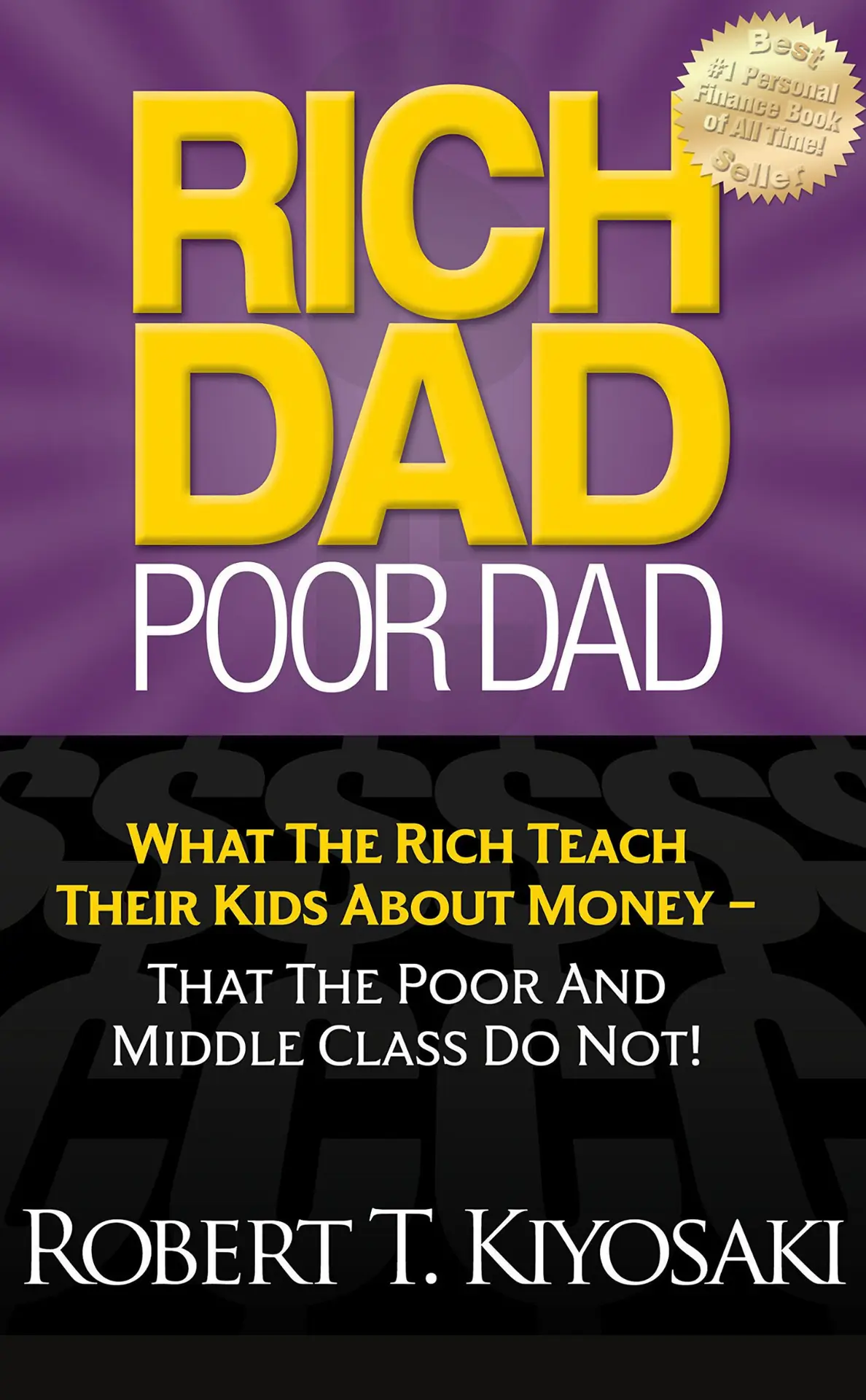
In “Rich Dad Poor Dad,” Robert T. Kiyosaki presents a compelling narrative that challenges conventional beliefs about money and investing. With its engaging storytelling, the book highlights the importance of financial education, the power of entrepreneurial thinking, and the significance of building assets over liabilities. Kiyosaki’s approachable style makes complex financial concepts accessible, inspiring readers to take control of their financial futures and think differently about wealth.

Rich Dad Poor Dad certainly offers a refreshing perspective on financial education and wealth-building strategies. This book dives into the contrasting views of two father figures, providing valuable lessons on money management that many of us were never taught in school.
The insights shared are applicable, practical, and often eye-opening. I appreciated how the author simplifies complex financial concepts, making them accessible to anyone. While some ideas might seem unconventional, they challenge traditional beliefs about work and money effectively.
There are moments in the book that may seem overly simplistic, and not every reader will resonate with all the lessons. Still, the core messages about asset accumulation and financial independence stand out and have the potential to change one’s outlook on personal finances. Read our full Rich Dad Poor Dad Review to learn more.
Bottom Line
If you’re looking for a straightforward guide to improving your financial literacy, Rich Dad Poor Dad is definitely worth picking up.
It challenges conventional thinking and encourages a proactive approach to managing money. Don’t miss out on the chance to reshape your financial future. Click here to purchase Rich Dad Poor Dad and start your journey today!
Overview of Rich Dad Poor Dad
This book offers a compelling perspective on financial education through the contrasting viewpoints of two father figures. The narrative reveals key lessons about wealth-building and financial literacy, emphasizing that understanding money is crucial for success.
I found the principles straightforward and applicable, with engaging anecdotes making the concepts relatable. The author effectively communicates the importance of investing and cash flow, which resonated with me. While some might feel the content is repetitive, the underlying messages about saving and wealth creation are vital.
Readers often praise its accessibility, making it suitable for those new to personal finance. If you’re looking for foundational insights into managing your finances, this book is certainly worth considering.
The Cash Flow Quadrant Concept
Exploring the Cash Flow Quadrant has been enlightening. It presents a framework to understand how different types of income can impact financial growth. I found it compelling how the quadrant divides income sources into four categories: Employee, Self-Employed, Business Owner, and Investor. Each segment highlights the dynamics of wealth accumulation.
While I appreciated the clarity it provided for assessing my financial strategy, I also noticed it can feel a bit simplistic for those with complex financial situations. Nonetheless, it encourages a mindset shift that can be transformative. The distinguishing factors between being employed and building substantial wealth truly resonated with me, offering a fresh perspective on financial independence.
Financial Literacy as a Key to Success
Understanding finances is crucial for achieving long-term success, and this book emphasizes that point effectively. After reading, I realized that financial literacy is not just about numbers; it’s about making informed decisions. The concepts presented, particularly the “cash flow quadrant,” helped me rethink my approach to income generation.
The straightforward language made complex ideas accessible, which I appreciated. While some might find the examples a bit simplistic, they resonate with real-life situations. I learned that merely earning is insufficient; strategic saving and investing are vital.
This book serves as a strong foundation in financial principles, encouraging readers to take control of their financial futures. With insights that are just as relevant today as they were years ago, I found it to be a meaningful addition to my personal development.
Real-World Applications
Using the insights from this book, I’ve noticed significant shifts in my financial mindset. It emphasizes the importance of financial literacy and challenges conventional views on wealth. I’ve begun to evaluate my spending habits and rethink my approach to investing.
The concept of the “cash flow quadrant” has been particularly eye-opening. It helped me track my income sources and understand where to focus my efforts for better financial returns. The practical examples presented throughout made it easy to relate the lessons to my own experiences.
While some may find the advice a bit simplistic, I appreciate the straightforward nature that allows for quick grasping of essential principles. It’s a useful guide for anyone looking to gain control over their financial future, whether you’re just starting out or seeking a strategy refresh.
Pros aas been positive. The benefits of financial knowledge it imparts outweigh some of its limitations.
Diverse Opinions in Customer Reviews
Having explored various customer reviews, it’s clear that reactions to this book vary widely. Many readers praise its straightforward approach to financial literacy, noting how it encourages a mindset shift towards wealth-building. Some found the cash flow quadrant concept particularly impactful, viewing it as a practical guide to managing finances.
However, not everyone felt the same way. A few critiques surfaced regarding the repetitive nature of some ideas and the lack of depth on certain topics. Some readers mentioned that while it offers motivation, it might not provide detailed strategies for every situation. Despite these mixed opinions, the book maintains a high average rating, indicating that many find value in its lessons on personal finance. Overall, this reflects a blend of enthusiasm and constructive criticism from a diverse set of readers.
The Impact on Personal Finance Philosophy
Reading this book shifted my perspective on money significantly. It emphasizes financial literacy in a way that feels accessible and practical. I found the discussions on cash flow and the difference between assets and liabilities particularly eye-opening.
The structured approach helped me reassess my spending habits and investment strategies. It became clear that merely earning money isn’t enough; understanding how to make it work for me is crucial.
While some concepts might feel basic to seasoned investors, they offer a solid foundation for anyone starting their financial journey. This book challenges conventional views, encouraging a mindset that prioritizes wealth-building. Ultimately, it has profoundly influenced how I view financial success and my long-term goals.
‘Rich Dad Poor Dad’ Review | Pros & Cons
“Rich Dad Poor Dad” serves as a thought-provoking guide that encourages readers to rethink their approach to money and take actionable steps toward financial independence.
Pros
Cons
‘Rich Dad Poor Dad’ Review | Our Take
After diving into this book, it’s clear why it has garnered so many positive reviews. It offers practical insights into financial literacy that many might find refreshing. The storytelling format makes it accessible, even for readers who might not have a strong background in finance.
I particularly appreciated the emphasis on the importance of investing and the mindset shifts necessary for financial success. While some concepts may feel repetitive if you’ve read other personal finance books, the straightforward language kept me engaged.
In short, this book is not just about money; it encourages a holistic view of wealth and self-improvement, making it a worthwhile read for anyone looking to enhance their financial knowledge.
Frequently Asked Questions
After exploring the insights and lessons shared in the book, it’s common to have a few questions. Here’s what I’ve gathered based on my experience and research, which should help clarify some points about this influential read.
Rich Dad Poor Dad | FAQs
What is the main lesson in ‘Rich Dad Poor Dad’?
The primary takeaway from the book centers on the difference in mindset towards money between the rich and the poor. It emphasizes the importance of financial literacy and understanding how money works, rather than simply earning a paycheck. The narrative encourages readers to focus on building assets and investing wisely as a path to financial independence.
At what age is it appropriate to start reading ‘Rich Dad Poor Dad’?
Many readers suggest that starting around the age of 12 or 13 can be beneficial. At this age, teens can grasp the fundamental concepts of financial literacy and begin to understand the importance of money management. The book’s straightforward language and relatable stories make it accessible for younger audiences.
Is ‘Rich Dad Poor Dad’ a good starting point for financial education?
Absolutely. This book serves as an excellent introduction to financial principles. It breaks down complex ideas into digestible lessons, making it easier for newcomers to learn about investing, saving, and wealth-building strategies. I found it to be an inspiring resource that ignites curiosity about personal finance.
What is the primary rule that ‘Rich Dad Poor Dad’ teaches?
The key rule is to prioritize assets over liabilities. The book stresses that true wealth comes not just from a high income but from understanding the difference between assets (which put money in your pocket) and liabilities (which take money out). This insight is vital for anyone looking to improve their financial situation.
Can ‘Rich Dad Poor Dad’ be considered a worthwhile read?
Yes, I consider it a worthwhile read for anyone interested in personal finance. The concepts presented are timeless and relevant, even as financial landscapes evolve. It challenges conventional thinking about money, making it a valuable addition to one’s reading list.
How does ‘Rich Dad Poor Dad’ compare to ‘Rich Kid, Smart Kid’?
While both books aim to educate young readers about money, ‘Rich Dad Poor Dad’ delves deeper into the author’s contrasting philosophies from his two father figures. In contrast, ‘Rich Kid, Smart Kid’ focuses more on practical steps for achieving financial success from a younger age. Both are beneficial, but the first offers a broader context regarding financial mindset, while the latter is more action-oriented.
Related Articles & Blog Posts
Latest Blog Posts

Email Marketing & Funnels for Beginners: Learn how to build an email list, nurture trust and create sustainable online income

You probably think you feel stuck because you don’t know enough. I used to believe the same thing. When I first started

You’ve probably heard that building online income requires multiple income streams. Maybe you’ve seen people talking about affiliate marketing, blogging, YouTube,
