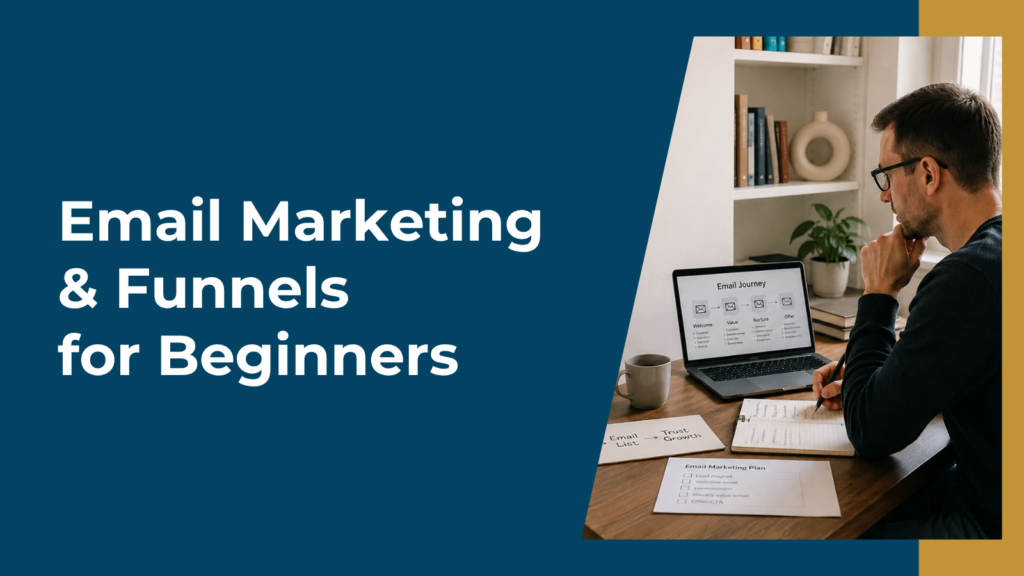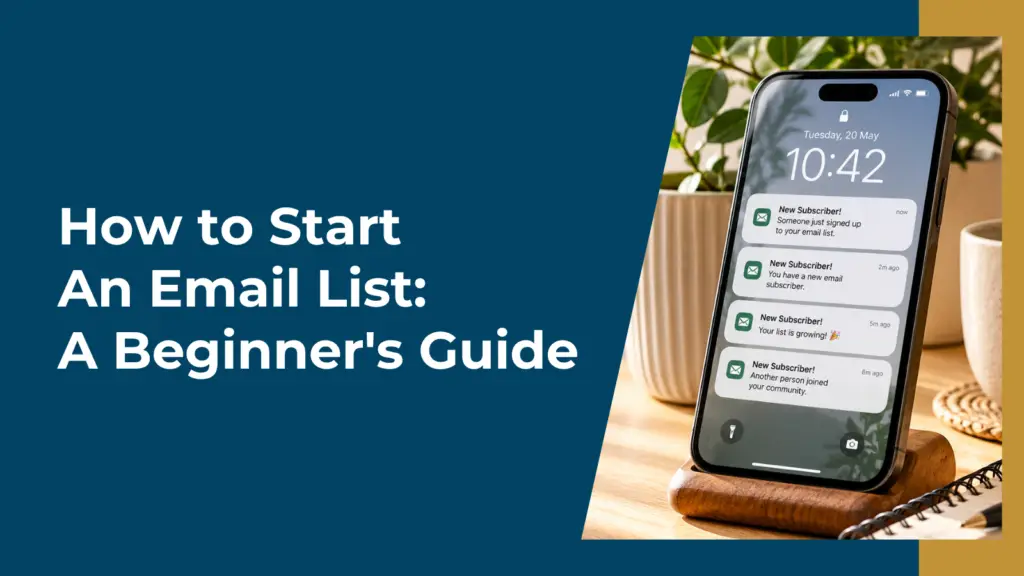
Are you looking to find out how to start an email list? Starting an email list can be a great way to connect with your audience and build a loyal following. Whether you’re a blogger, business owner, or marketer, having a strong email list can help you reach your goals and grow your brand. But where do you start? In this guide, we’ll show you how to start an email list from scratch, step-by-step.
First, you’ll need to choose an email marketing platform. There are many options available, each with its own features and pricing. Aweber offer a free plan to get you started and is the one that we use here at Digital Wealth Lifestyle. Once you’ve chosen a platform, you’ll need to set up your account and create a list.
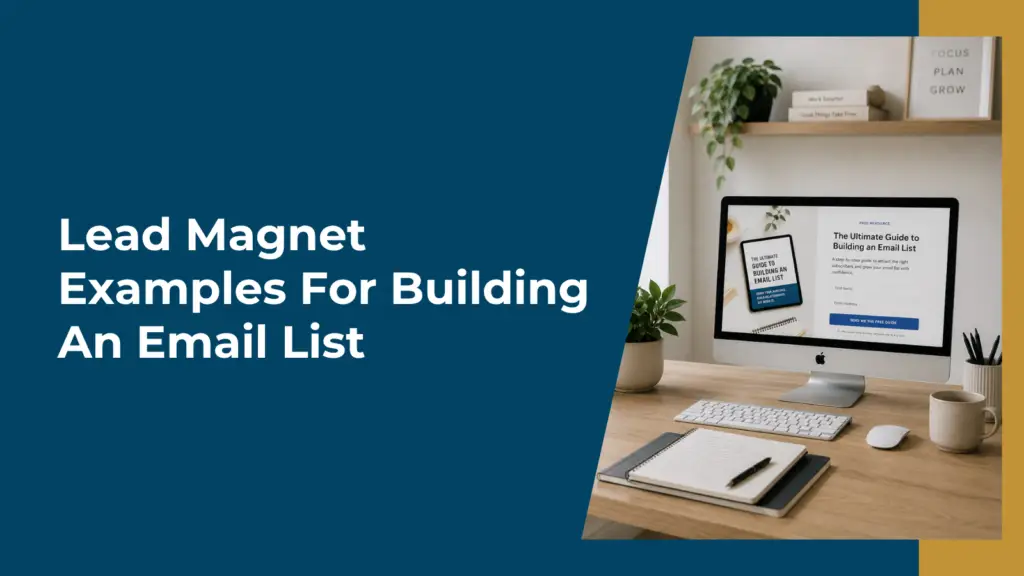
Next, you’ll need to start collecting email addresses. There are several ways to do this, such as offering a lead magnet (check out our Lead Magnet Examples For Building An Email List post for tips on this), creating a landing page (you could use OptimizePress on WordPress for this), or adding a sign-up form to your website (Aweber has in-built sign-up forms you can use). It’s important to have a clear call-to-action and provide value to your audience in exchange for their email address. With these basics in mind, you’ll be well on your way to building a successful email list.
Determine Your Purpose
When starting an email list, it’s important to determine your purpose. This will help you identify your target audience, set goals for your email list, and choose the right platform for your needs.
Identifying Your Target Audience
The first step in determining your purpose is to identify your target audience. Who do you want to reach with your emails? Think about the demographics of your ideal customer, such as age, gender, location, interests, and buying habits. This will help you create content that resonates with your audience and increases engagement.
Setting Goals for Your Email List
Once you’ve identified your target audience, it’s time to set goals for your email list. What do you want to achieve with your emails? Some common goals include increasing website traffic, generating leads, boosting sales, and improving customer loyalty. Make sure your goals are specific, measurable, attainable, relevant, and time-bound (SMART).
Choosing a Platform for Your Email List
Finally, you need to choose a platform for your email list. There are many email marketing services available, each with its own features and pricing. Consider factors such as ease of use, automation capabilities, segmentation options, integrations, and customer support. Some popular options include Mailchimp, Constant Contact, AWeber, and Campaign Monitor.
By determining your purpose, identifying your target audience, setting goals, and choosing the right platform, you can create an effective email list that delivers a high ROI.
Create an Incentive
To build a successful email list, you need to offer your audience something valuable in exchange for their email address. This is where creating an incentive comes in handy. An incentive is something that motivates people to sign up for your list. In this section, we’ll discuss the importance of offering something valuable to subscribers, examples of incentives, and tips for creating a compelling incentive.
Importance of Offering Something Valuable to Subscribers
Your subscribers are giving you their email address, which is a valuable piece of information. In exchange for this information, you need to provide them with something valuable. This is where lead magnets come in. A lead magnet is a free resource that you offer to your subscribers in exchange for their email address. It could be an e-book, a video tutorial, a discount, or any other valuable resource that your audience would find helpful.
By offering something valuable, you’re not only building trust with your subscribers, but you’re also increasing the likelihood of conversion. When people see that you’re providing value upfront, they’re more likely to trust you and want to do business with you.
Examples of Incentives
There are many different types of incentives that you can offer to your subscribers. Here are a few examples:
- Discount: Offer a discount code to new subscribers as an incentive to sign up.
- Exclusive content: Provide access to exclusive content that’s only available to your email subscribers.
- Lead magnets: Offer a free e-book, video tutorial, or other valuable resource in exchange for their email address.
- Early access: Give your subscribers early access to new products or services before they’re available to the general public.
Tips for Creating a Compelling Incentive
When creating an incentive, it’s important to make it compelling enough to motivate people to sign up for your list. Here are a few tips to help you create a compelling incentive:
- Know your audience: Understand what your audience wants and needs, and create an incentive that aligns with their interests.
- Make it valuable: Your incentive should provide real value to your subscribers. Make sure it’s something that they can’t easily find elsewhere.
- Keep it simple: Your incentive should be easy to understand and easy to access. Don’t make your subscribers jump through hoops to get it.
- Highlight the benefits: Make sure your subscribers know exactly what they’ll get by signing up for your list. Highlight the benefits of your incentive and how it will help them.
By creating a compelling incentive, you’ll be able to build your email list and increase your conversion rate. Remember to always provide value to your subscribers and keep them engaged with your content.
Design and Optimize Your Sign-Up Form
Creating a sign-up form that is both visually appealing and easy to use is crucial for building your email list. Here are some tips to help you design and optimize your sign-up form.
Choosing a Form Style That Fits Your Brand
Your sign-up form should reflect your brand’s style and personality. Choose a form style that matches your website’s design and color scheme. If you’re not sure what style to choose, consider using a pre-designed template that fits your brand.
Placement and Visibility of Sign-Up Form
The placement and visibility of your sign-up form can greatly impact your conversion rates. Place your form in a prominent location on your website, such as on the homepage or in the sidebar. Make sure it is easily visible and stands out from other content on the page.
Optimizing for Mobile Devices
With the majority of internet traffic coming from mobile devices, it’s important to optimize your sign-up form for mobile users. Make sure your form is responsive and looks good on all screen sizes. Keep the form short and simple, with large buttons and clear instructions.
In summary, designing and optimizing your sign-up form is an important step in building your email list. Choose a form style that fits your brand, place it in a visible location on your website, and optimize it for mobile devices to maximize your conversion rates.
Promote Your Email List
Once you have set up your email list, the next step is to promote it to your target audience. Here are some effective ways to get the word out about your email list and attract subscribers.
How To Start An Email List: Utilizing Social Media Platforms
Social media platforms such as Facebook, ‘X‘, LinkedIn, and Instagram can be great tools for promoting your email list. You can create posts or ads that highlight the benefits of subscribing to your email list, and include a link to your sign-up page. Make sure to use eye-catching visuals and persuasive copy to grab the attention of your target audience.
Collaborating with Other Businesses or Influencers
Collaborating with other businesses or influencers in your niche can help you reach a wider audience and attract more subscribers to your email list. You can partner with other businesses to offer joint promotions or giveaways, or work with influencers to create sponsored content that promotes your email list.
Incorporating a Call-To-Action on Your Website and Blog
Incorporating a call-to-action (CTA) on your website and blog can be an effective way to drive traffic to your email list. You can include a CTA button or form on your homepage, blog posts, and other relevant pages. Make sure to use persuasive copy and highlight the benefits of subscribing to your email list to encourage visitors to sign up.
Building a blog is a simple way to start building an email list. For a full overview of the various WordPress Themes and Page Builders we recommend for starting a blog, so you can compare and contrast their functionality read our Best Blogging Tools For Beginners: Top Picks To Start Your Blog
By utilizing these strategies, you can effectively promote your email list and attract more subscribers. Remember to keep your messaging clear and concise, and always provide value to your subscribers to keep them engaged and interested in your content.
Content Strategy
Creating a successful email list requires a well-planned content strategy. In this section, we’ll discuss the importance of relevant and engaging content, the frequency of emails and types of content to include, and personalization for targeted emails and better open rates.
Importance of Relevant and Engaging Content
Your email newsletter should provide value to your subscribers. This means creating content that is relevant to their interests and needs. Your subscribers should feel like they are gaining something by opening and reading your emails.
To achieve this, you can create content that is informative, educational, or entertaining. You can also include exclusive content that is only available to subscribers, such as discounts, freebies, or early access to new products or services.
Frequency of Emails and Types of Content to Include
The frequency of your emails will depend on your audience and the type of content you are providing. You don’t want to overwhelm your subscribers with too many emails, but you also don’t want to be forgotten by sending emails too infrequently.
As for the types of content to include, you can mix it up with a variety of formats such as blog posts, videos, infographics, or podcasts. You can also include user-generated content or feature customer success stories.
Personalization for Targeted Emails and Better Open Rates
Personalization is key to creating a strong personal relationship with your subscribers. You can segment your email list based on demographics, interests, or behavior. This allows you to send targeted emails that are more likely to be opened and engaged with.
You can also use personalization to include the subscriber’s name in the email subject line or greeting. This small touch can make a big difference in improving open rates.
In conclusion, creating a successful email list requires a well-planned content strategy that provides value to your subscribers, includes a variety of content types, and uses personalization to create a stronger connection with your audience.
Effective Email Content Creation
When thinking about how to start an email list, one of your first thoughts must be about content. When it comes to email marketing, crafting compelling email content is crucial to the success of your email campaigns. Your content should be engaging and relevant to your audience, providing them with value and encouraging them to take action.
Crafting Compelling Email Content
To create effective email content, it’s important to understand your audience and their needs. You should tailor your content to their interests and preferences, using language and tone that resonates with them. Personalization can also be a powerful tool, as it shows that you understand and care about your subscribers.
In addition to being relevant and personalized, your email content should be concise and easy to read. Use short paragraphs, bullet points, and headings to break up your text and make it more scannable. You should also use a clear and concise subject line that accurately reflects the content of your email.
Utilizing Storytelling in Your Emails
Storytelling is a powerful tool for creating engaging and memorable email content. By telling a story, you can connect with your audience on an emotional level and make your content more relatable. You can use storytelling to illustrate the benefits of your products or services, share customer success stories, or simply entertain your subscribers.
When using storytelling in your emails, it’s important to keep your audience in mind. Your story should be relevant to their interests and needs, and should provide them with value. You should also use language and tone that resonates with your audience, and avoid making exaggerated or false claims.
Incorporating Visuals and Multimedia Content
Visuals and multimedia content can also be effective tools for creating engaging email content. Images, videos, and infographics can help to illustrate your message and make your content more memorable. They can also help to break up your text and make your emails more visually appealing.
When incorporating visuals and multimedia content into your emails, it’s important to use high-quality, relevant content. Your visuals should be clear and easy to understand, and should enhance the message of your email. You should also use alt text for your images, so that subscribers who can’t see them can still understand the content of your email.
By following these tips for creating effective email content, you can improve the user experience for your subscribers and increase the success of your email campaigns.
List Segmentation Strategies
Segmenting your email list is an essential strategy that can help you deliver targeted and personalized content to your subscribers. In this section, we’ll explore some effective list segmentation strategies that can help you improve your email marketing efforts.
Understanding the Importance of List Segmentation
List segmentation is the process of dividing your email list into smaller groups based on specific criteria such as subscriber behavior, demographics, or interests. By segmenting your list, you can send targeted messages to each group, which can result in higher engagement rates, increased conversions, and improved ROI.
Segmenting Based on Subscriber Behavior
Segmenting your list based on subscriber behavior can help you understand your subscribers’ preferences and interests. You can segment your list based on actions such as email opens, clicks, purchases, and website visits. By doing so, you can send targeted messages to subscribers who have shown interest in specific products or services, which can increase the chances of conversion.
Personalizing Content for Segmented Lists
Personalizing your email content for segmented lists can help you deliver more relevant and engaging messages to your subscribers. You can use subscriber data such as name, location, and purchase history to personalize your emails. By doing so, you can create a more personalized experience for your subscribers, which can result in higher engagement rates and improved customer loyalty.
In conclusion, list segmentation is a powerful email marketing strategy that can help you deliver targeted and personalized content to your subscribers. By understanding the importance of list segmentation, segmenting based on subscriber behavior, and personalizing content for segmented lists, you can improve your email marketing efforts and achieve better results.
Email Automation
Email automation is a powerful tool for managing your email list. By automating certain tasks, you can save time and ensure that your subscribers receive the right message at the right time. In this section, we’ll explore some of the ways that you can use email automation to improve your email marketing efforts.
Introduction to Email Automation Tools
There are many email marketing tools available that offer automation features. Some popular options include Mailchimp, Constant Contact, and AWeber. These tools allow you to create automated email campaigns, set up triggers for certain actions, and segment your list based on specific criteria.
When choosing an email marketing tool, it’s important to consider your specific needs and budget. Some tools offer more advanced automation features, but may come with a higher price tag. Others may be more affordable, but have fewer automation options.
Setting Up Automated Welcome and Follow-Up Emails
One of the most common ways to use email automation is by setting up welcome and follow-up emails. When someone subscribes to your list, you can automatically send them a welcome email that introduces your brand and sets expectations for what they can expect to receive from you.
You can also set up automated follow-up emails to keep your subscribers engaged. For example, you might send a follow-up email a few days after someone makes a purchase from your website, or send a series of emails that provide additional value and information over time.
Utilizing Automation for Targeted Campaigns
Another way to use email automation is by creating targeted campaigns based on specific actions or behaviors. For example, you might send a series of emails to subscribers who have abandoned their shopping cart on your website, or send a personalized email to subscribers who haven’t opened your emails in a while.
By using automation to create targeted campaigns, you can improve the relevance and effectiveness of your email marketing efforts. This can lead to higher open and click-through rates, and ultimately, more conversions and sales.
In conclusion, email automation is a powerful tool for managing your email list and improving your email marketing efforts. By using automation to set up welcome and follow-up emails, and creating targeted campaigns based on specific actions or behaviors, you can save time and improve the relevance and effectiveness of your emails.
Analyze and Improve
To ensure the success of your email list, it’s important to continuously analyze and improve your email marketing strategy. This involves tracking metrics, using feedback to improve content and strategy, and regularly cleaning and updating your list.
Tracking Metrics such as Open and Click-Through Rates
Tracking metrics such as open and click-through rates can help you understand how your subscribers are engaging with your emails. By analyzing these metrics, you can identify which types of content are resonating with your audience and adjust your strategy accordingly.
Consider using a table to track your metrics over time, allowing you to easily identify trends and patterns. Additionally, you can use A/B testing to experiment with different subject lines, content, and calls to action to see what resonates best with your audience.
Using Feedback to Improve Content and Strategy
Feedback from your subscribers can be invaluable in helping you improve your content and overall email marketing strategy. Consider including a survey or feedback form in your emails, asking subscribers for their thoughts on what they like and what they would like to see more of.
You can also use social media to gather feedback and engage with your audience. By responding to comments and messages, you can build a stronger relationship with your subscribers and gain valuable insights into their preferences and needs.
Regularly Cleaning and Updating Your List
Regularly cleaning and updating your email list is crucial to maintaining a healthy and engaged subscriber base. This involves removing inactive or unengaged subscribers, as well as ensuring that your contact information is up-to-date and accurate.
Consider using a list cleaning service to help identify and remove invalid or inactive email addresses. Additionally, regularly segmenting your list based on engagement and behavior can help you tailor your content and strategy to specific groups of subscribers.
By continuously analyzing and improving your email marketing strategy, you can ensure that your email list remains a valuable and effective tool for engaging with your audience.
List Maintenance and Compliance Best Practices
When it comes to managing your email list, there are a few best practices you should follow to ensure that you maintain compliance with data protection regulations and keep your subscribers happy. Here are some tips to help you manage your list effectively:
Managing Subscriber Preferences and Permissions
One of the most important things you can do to maintain a healthy email list is to allow your subscribers to manage their own preferences and permissions. This means giving them the ability to choose what types of emails they receive from you, how often they receive them, and whether or not they want to unsubscribe.
To do this, you can provide a preference center where subscribers can update their information and manage their preferences. This can help reduce the number of unsubscribes and complaints you receive, and can also help improve the relevance of your emails.
Ensuring Compliance with Data Protection Regulations
Data protection regulations such as GDPR and CCPA require that you obtain explicit consent from your subscribers before sending them marketing emails. This means that you must clearly explain what types of emails you will be sending, and give subscribers the option to opt-in or opt-out.
To ensure compliance with these regulations, you should use a double opt-in process where subscribers must confirm their subscription before receiving any emails. You should also include a clear and conspicuous unsubscribe link in every email, and honor unsubscribe requests promptly.
Handling Unsubscribes and Maintaining List Hygiene
Unsubscribes are a natural part of email marketing, and it’s important to handle them properly to maintain list hygiene. When a subscriber unsubscribes, you should honor their request promptly and remove them from your list. You should also make it easy for subscribers to unsubscribe by including a clear and conspicuous link in every email.
In addition, you should regularly clean your list to remove inactive subscribers and invalid email addresses. This can help improve your email deliverability and reduce the risk of being flagged as spam.
By following these best practices, you can maintain a healthy and compliant email list that delivers value to your subscribers and helps you achieve your marketing goals.
Enhancing Email Deliverability
Ensuring inbox placement for your emails
One of the biggest challenges of email marketing is ensuring that your emails actually reach your subscribers’ inboxes. To increase the chances of your emails being delivered to the inbox, you can take the following steps:
- Use a reputable email service provider (ESP) that follows best practices for email deliverability.
- Avoid using trigger words and phrases that are commonly associated with spam.
- Segment your email list and send targeted emails to specific groups of subscribers.
- Encourage subscribers to add your email address to their contacts or whitelist to help ensure your emails are not marked as spam.
Managing email deliverability challenges
Even when you follow best practices, you may still encounter email deliverability challenges. Some common challenges include:
- High bounce rates: This can occur when you have invalid or inactive email addresses on your list. Regularly clean up your list to remove these addresses.
- Low open rates: This can occur when subscribers are not interested in your content or your emails are not engaging. Consider improving your email content and testing different subject lines to improve open rates.
- Emails marked as spam: This can occur when subscribers mark your emails as spam or your emails trigger spam filters. Avoid using spam trigger words and phrases and regularly monitor your email deliverability metrics.
Best practices for maintaining a positive sender reputation
Your sender reputation plays a crucial role in email deliverability. To maintain a positive sender reputation, you can:
- Send emails only to subscribers who have opted in to receive them.
- Avoid sending emails too frequently or sending irrelevant content.
- Monitor and maintain a low complaint rate by promptly removing subscribers who mark your emails as spam.
- Authenticate your emails with SPF, DKIM, and DMARC to help prevent email spoofing and phishing attacks.
By following these best practices, you can enhance your email deliverability and improve the effectiveness of your email marketing campaigns.
Final Thoughts: Your Email List Starts With One Subscriber
Starting an email list can seem like another complicated part of building an online business.
There are email platforms to compare, lead magnets to create, forms and landing pages to build, welcome emails to write and strategies for attracting subscribers.
But none of that needs to be perfect before you begin.
At its simplest, building an email list means giving someone a useful reason to hear from you again — and then making that continued relationship worthwhile.
Start with a clear audience and a simple reason for someone to subscribe. Create something genuinely useful in exchange for their email address, set up a straightforward welcome process and then communicate consistently.
You don’t need thousands of subscribers for your list to have value.
Your first 10 subscribers are real people who have chosen to hear from you. So are your first 100. A smaller list of people who trust your content and are interested in what you have to say can be far more useful than a much larger audience with little connection to you.
That is also why it helps to think beyond simply collecting email addresses.
The real value of an email list comes from the relationship you build after someone subscribes. Help people solve problems. Share useful ideas. Point them towards resources that genuinely make sense for them. Give them reasons to keep opening your emails.
Over time, that creates something particularly valuable for an online business: an audience you can communicate with directly rather than relying entirely on search engines, social platforms or algorithms to reach them.
So don’t wait until you have the perfect lead magnet, funnel or email strategy.
Create a useful reason for the right person to subscribe.
Make it easy for them to do so.
Then make their decision to join your list worthwhile.
Your email list doesn’t start when you reach 1,000 subscribers. It starts with the first person who trusts you enough to say, “Yes, I’d like to hear more.”

Jonathan Lamb
Founder, Digital Wealth Lifestyle